

How to order at a restaurant like an Italian.
A field guide for travelers on Italian restaurants' unwritten rules

There is a moment, somewhere around the third week of living in Italy, when you realize that the meal you are eating is not the meal you thought you were eating. The shapes are familiar. Pasta, fish, wine, bread. But the order is different, the timing is different, the rules under the rules are different, and the table is doing something the menu does not explain.
The menu is a list of dishes. The meal is something else.
I have been eating in Versilia for years now, and I still get small things wrong. I correct myself, mostly, by watching the table next to me. The Italian table is a teacher if you sit close enough.
Here is what I have learned, in the order you will need it.
1. The arrival is the first decision
Lunch in Italy is on time. If a place opens at twelve, Italians are seated by twelve or twelve-thirty, and the kitchen is ready to feed them. Lunch has a window of roughly twelve to two-thirty in most of the country, slightly longer in tourist towns, and the staff opens the door already moving.
Dinner is the opposite. Italians do not eat early, and the kitchen knows this. A restaurant that opens at seven is not actually open at seven. The lights are on, the bread basket is on the table, the vino della casa is being poured for the one or two foreigners (like us) who showed up because their guidebook said dinner starts at seven, and the kitchen is still cleaning the lunch surfaces. Real service starts around eight. If you arrive at seven, you sit and wait, and the wait is longer than it should be, and you blame the restaurant. The restaurant is not the problem. You are early.
The fix is to arrive after eight. Eight-thirty is better. Nine is fine. Same kitchen, same staff, same menu, but now they are on a dinner rhythm, and you will eat a different meal for it.
2. Antipasto for one. Primo to share. Secondo for one.
The Italian table moves in courses, but the courses do not behave the way a foreigner expects.
The antipasto is yours. A plate of salumi, a bruschetta, a small bowl of olives, and a caprese. Each person orders one, or the table orders a few, and they are passed around as starters, but each plate is its own thing.
The primo, very often, is shared. A plate of tordelli al ragù arrives in the middle of the table, and three forks descend on it. Then the pici cacio e pepe arrives, three more forks. Italians eat half-portions of pasta this way constantly. The primo is the social course. It is also the carb-controlling course, though no Italian would put it that way.
The secondo is yours again. Whole grilled fish, a piece of meat, the fritto misto. Nobody is reaching across the table for your branzino. If you are hungry, order the contorno, the side dish. It is totally normal that the main dish arrived a bit naked, no sides. Most Italians don’t order sides. Remember, they’ve already had their carbs on the primo.
The dolce is sometimes shared, sometimes not. By that point, everyone is paying attention to the conversation again and not to the rules.
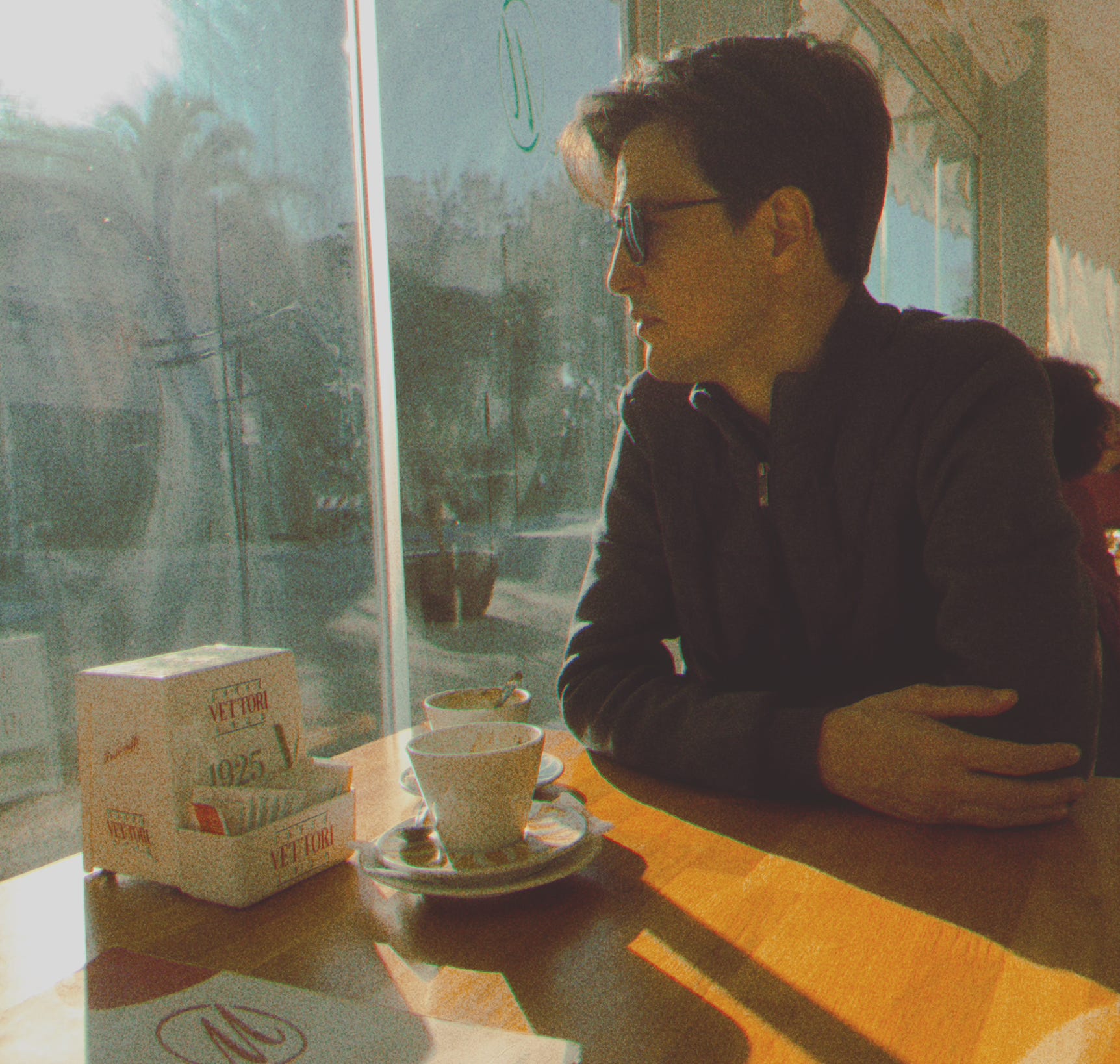
3. Why Italians eat four courses and stay in shape
This is the question every foreigner asks within the first month. Five answers, in roughly this order of importance.
The ingredients. A Tuscan tomato is a Tuscan tomato. The bread is made from local flour, the olive oil is from the hill across the road, and the pecorino comes from forty kilometers away. The food is not engineered for shelf life. It does not have the calorie density of a country that ships its produce six thousand miles. The Italian identity is not national, since the nation itself is new (at least by European standards). It is regional, or even more so, hyperlocal. And one of the greatest parts of that local identity is the local cuisine. People give gold medals for their local meat-filled tortelli, and purposefully call it tordelli, instead of tordelli. Almost every Italian stereotype is a marketing trick, starting with dolce vita, but the food is real.
Olive oil. Italians cook in olive oil. Everything. Not butter, not seed oil, not the industrial blends that fry the average restaurant meal in the rest of the world. Olive oil is still calories, plenty of them, but the body does something different with them. Four years here will convince you. The mirror does not lie. And yes, olive oil is local too, no fake. That’s for export for those who can’t tell the difference between fresh and late harvest oil.
The order. Despite Italy being the country the world associates with pizza and pasta, Italians do not eat carbs the way the world thinks they do. Pasta arrives in the middle of the meal, in a smaller portion than you would get at any pasta chain in Toronto or Berlin, and it is often shared. The protein comes after, usually unaccompanied by anything heavy. A grilled fish with a wedge of lemon. A tagliata with rocket and a few shavings of parmigiano. The vegetables show up as their own small course, not as a starch buffet. Oh, and almost all primo dishes are extremely minimalistic. 5 ingredients, and I counted oil and salt in. Your fettuccini alfredo with cream, butter, cheese, chicken (with chlorine and antibiotics, yikes), and god knows how many spices? Not happening here.
The walk. After dinner, Italians walk. The best restaurants are in the center of the towns, where you can’t go by car anyway. So, at the bare minimum, you walk back to your car. The passeggiata is its own subject. The walk is the second half of the meal. There is also a deep digestive culture in drinks. An amaro, a grappa, a limoncello in the south. These are not nightcaps. They are tools. The Italian relationship with digestion is closer to traditional Chinese medicine than to Western dietetics. The body is being helped along.
The day around the meal. Breakfast is a coffee and a cornetto, eaten at a bar counter in three minutes. Lunch is light unless it is Sunday. There is almost no snacking culture, no street food in the American sense, no second-breakfast or mid-afternoon pretzel. The big dinner is the day’s actual meal. The other meals make room for it. Longevity and blue zone maniacs would call this intermittent fasting, maybe. Italians call it Thursday.
Eating out is not special. One of the main surprises for me when I moved here was the complete lack of at-home kitchen culture. If you ask me, I’m with Team America here. Everyone should have a big-ass kitchen with multiple appliances and an outrageously long countertop. In Italy, it’s pretty rare. There are many reasons for this, but one is that Italians love to go out to eat. The weather is perfect, the restaurants are amazing, and everyone is mega-social. Eating out is common. It’s not a special day, not a celebration, not a unique day in the month. It’s a Thursday. So no one overcompensates or overconsumes. No one eats or drinks too much. They are there for each other, not for the food.

4. The house wine is fine
Italy is one of the few countries on the planet where you can order the vino della casa without thinking about it and be safe ninety-nine times out of a hundred. France maybe. After that, the list gets short.
For the price of a glass of Chianti, unlock the full Anywhere Italy experience. All of our articles, private stories, and access to our chat travel community.
Start your free 7-day trial.
The waiter will ask sparkling or still, frizzante o naturale, and red or white. White with fish, red with meat. A mezzo litro di rosso della casa costs five or ten euros and arrives in a small carafe that has been refilled in that restaurant for thirty years. It is not a wine list, it is the wine the place pours every day. Of course, if you are into wine, you can check the wine list. It is usually 10 times heavier and thicker than the menu itself. And yes, Italians can literally argue with each other for very long minutes on which wine they should drink at their table. It’s hilarious to watch.
5. Don’t order everything at once
The other foreign reflex: arrive, sit, scan the menu, order four courses in one shot, ask the waiter to bring it all out. This compresses an evening into thirty-five minutes and ruins the whole architecture.
The golden rule of an Italian dinner is to give everything time. Order the antipasti first. Eat them. Drink some wine. When the plates are cleared, talk to the waiter about the primi. Order, eat, drink, talk. Then the secondi. The meal is a four-act structure, not a four-hour buffet. The kitchen wants to cook each course freshly. If you compress, the food suffers, and so does the conversation.
A proper dinner runs three to four hours. A long one, five. This is not slow service. This is service.
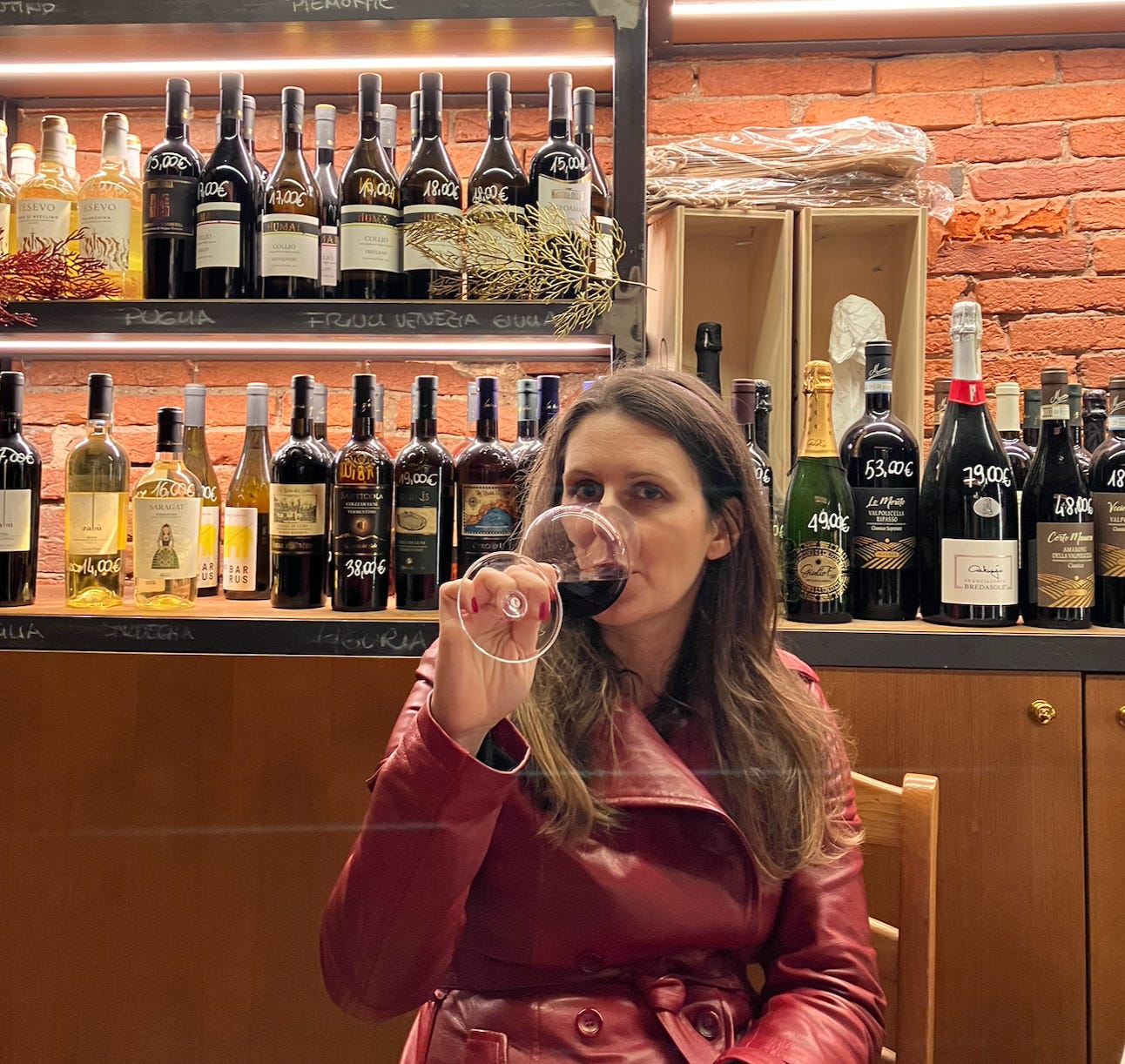
6. Don’t ask for tap water
Italian tap water is fine. You can drink it. Nobody is going to get sick. Asking for it at a restaurant is rude anyway.
The reason is structural. There is no tipping in Italy. The restaurant makes its margin on the basics: the coperto, the bread, the drinks (wine), and the water. A bottle of acqua minerale costs two or three euros, and the restaurant marks it up. That two-euro margin is part of how the restaurant pays the dishwasher. Asking for tap water is, in effect, asking the restaurant to lose its margin on you while you sit at one of their tables for two and a half hours. It reads as cheap and as foreign, and it is one of the most reliable ways to be marked as a tourist within twelve seconds of sitting down.
Order the bottled water. Two-fifty, four-fifty, whatever. Frizzante or naturale. Move on.
7. Don’t break the rules
If you spend a hundred euros to fly somewhere and a thousand to sleep there, the absolute minimum is to eat the way the locals eat. The Italian relationship with food has had several hundred years to find its shape. Probably, they know how to eat their pasta better than you do.
A short list of the breakages I see most often:
There is no caffè latte on the menu. A latte is a glass of milk. If you want what you mean, the word is cappuccino (more milk) or macchiato (less milk). There are no flavored coffees. No vanilla, no caramel, no pumpkin spice. The only acceptable adulteration is the corretto, espresso with a shot of grappa or sambuca, and that is a man at a bar at ten in the morning, not you, not at dinner.
You do not put cheese on anything with fish in it. The spaghetti alle vongole is already salted by the sea. Cheese on top breaks the dish. Some Sicilian and Sardinian preparations break this rule, but they break it deliberately, and you will know because the cheese arrives on the plate from the kitchen.
You do not ask for ketchup. The condiments at the table are olive oil, salt, pepper, and maybe vinegar. That is the kit.
Yes, to most of these rules, some would say, “But I’m the customer, and I get whatever the f—k I want,” or “I paid for it.” I, on the other hand, would say I respect Texan pitmasters that much that I would never ask for a dip or sauce before I taste the brisket. And in Britain, I would never order that ribeye well-done and ask for a bottle of ketchup. I mean, I could, I paid for it, so I could even ask for mayo instead of ketchup and pretend to be French, just to be sure that my ass will be kicked out of the pub.
8. Ask the waiter
The single highest-leverage move at an Italian restaurant is to ask the waiter what is good today. Italian waiters are not the harassed gig workers of the Anglo-American restaurant economy. Many of them have worked the same dining room for ten or twenty years. They know the kitchen, they know the season, they know what the boat brought in this morning, and they have strong opinions about all of it.
Ask. Cosa mi consiglia? What do you recommend? C’è qualcosa di stagione? Anything in season? Il pesce di oggi qual è? What is today’s fish?
Then trust the answer. If they tell you the cinghiale is good this week because hunting season just opened, eat the cinghiale. If they say the carciofi are in and the kitchen is doing them alla romana, eat the carciofi. The seasonal dish is on the menu for a reason, usually because the chef is excited about it, and an excited chef cooks better than a bored one.
9. The dishes you know are not the dishes here
Almost everything you grew up calling Italian is not Italian. Or it is, but in a form so distant that the original would not recognize it.
Carbonara has no cream. It is eggs, guanciale (not bacon, not pancetta), cheese, and black pepper. That is the whole thing. The cream version is a French simplification that took over the world.
Fettuccine Alfredo does not exist in Italy. It exists in one restaurant in Rome that serves it to tourists who have flown in to find it.
Spaghetti and meatballs is not a dish. Polpette exist, spaghetti exist, but they are not served together. They were combined by Italian-Americans in New York to stretch the meat budget.
Bolognese is not a red sauce poured over pasta. It is ragù, slow-cooked for hours, served with tagliatelle, never spaghetti, in proportions where the pasta is the main event and the meat is the seasoning.
Mozzarella rarely goes on pasta. Garlic-bread crust is not on any pizza in Italy. Pineapple, we will not discuss.
Trust me when I tell you this: anytime I travel to England, one of the first things I order is a double pepperoni-and-cheese NY-style pizza with a cheese-filled crust, and I have it with wings on the side. Garlic butter dips. Plural. It’s not a thing here. And I am saying this with a straight face, even though we have a pizzeria under our apartment where Alessandro makes the best Neapolitan pizza in the entire region. If I were to ask him to put cheese in the crust, I'm not sure I would be served like, ever again.
10. Don’t order the burger
The fact that you can’t get your dreamy Italian dishes, because they don’t exist, is true the other way around as well. Italians, generally, have no idea about international cuisine. If you are an Italian reading this, I don’t mean to offend you. But… I’ve seen hamburger on the menu thousands of times, and I can count on only one of my hands how many times I've had at least close to the notion of what a hamburger should be.
But this is normal. If you want a real taco, you go to Mexico or to a stand near the border run by someone called Sancho. If you want a real steak with the right potatoes and the right ale, you go to a British/Irish/Scottish pub. If you want a smash burger, you go to New York. There are exceptions. There are obsessive chefs, and there are places run by foreigners as well. The best Japanese place I know in Genova is run by a Jap chef. He is the only one who could make proper ramen within a 200 km radius. I still couldn’t find a good American BBQ, let me tell you (even though there is an entire chain here in Italy, they think they cook Texan food…).
So when you sit down at a restaurant in Italy, do not order the burger, the ribs, the tacos, or the pad thai. Even if they are on the menu. The Italian trattoria is one of the best places to eat on the planet, but only if you order what it is for.
The last thing.
There is no tipping. I know I have said this maybe twice. I am saying it a third time because every American I have ever taken to dinner in Italy has tried to leave twenty percent on the table. The coperto covers the table. If you want to round up by a euro or two, fine. If the meal was extraordinary and you want to leave five, fine. Twenty percent is a mistake. The waiter will spend the next week telling the kitchen about the strange foreigner who tipped as if he were Enzo Ferrari.
I’m pretty sure Enzo never tipped, by the way.


Planning a slow trip? My planner builds it for you. Free, no paywall, no email gate. Answer five questions (hub town, interests, travel month, days you want for slow discovery, and fitness level, because some of these towns make you climb), and you get a personalized route from my handpicked list of the 1,000 towns most travelers skip, with festivals, drive times, and a line on what each place is. Don’t like it? Refine it, swap towns, or browse the whole database by region.